Signs of a Chimney Fire
The Short Answer
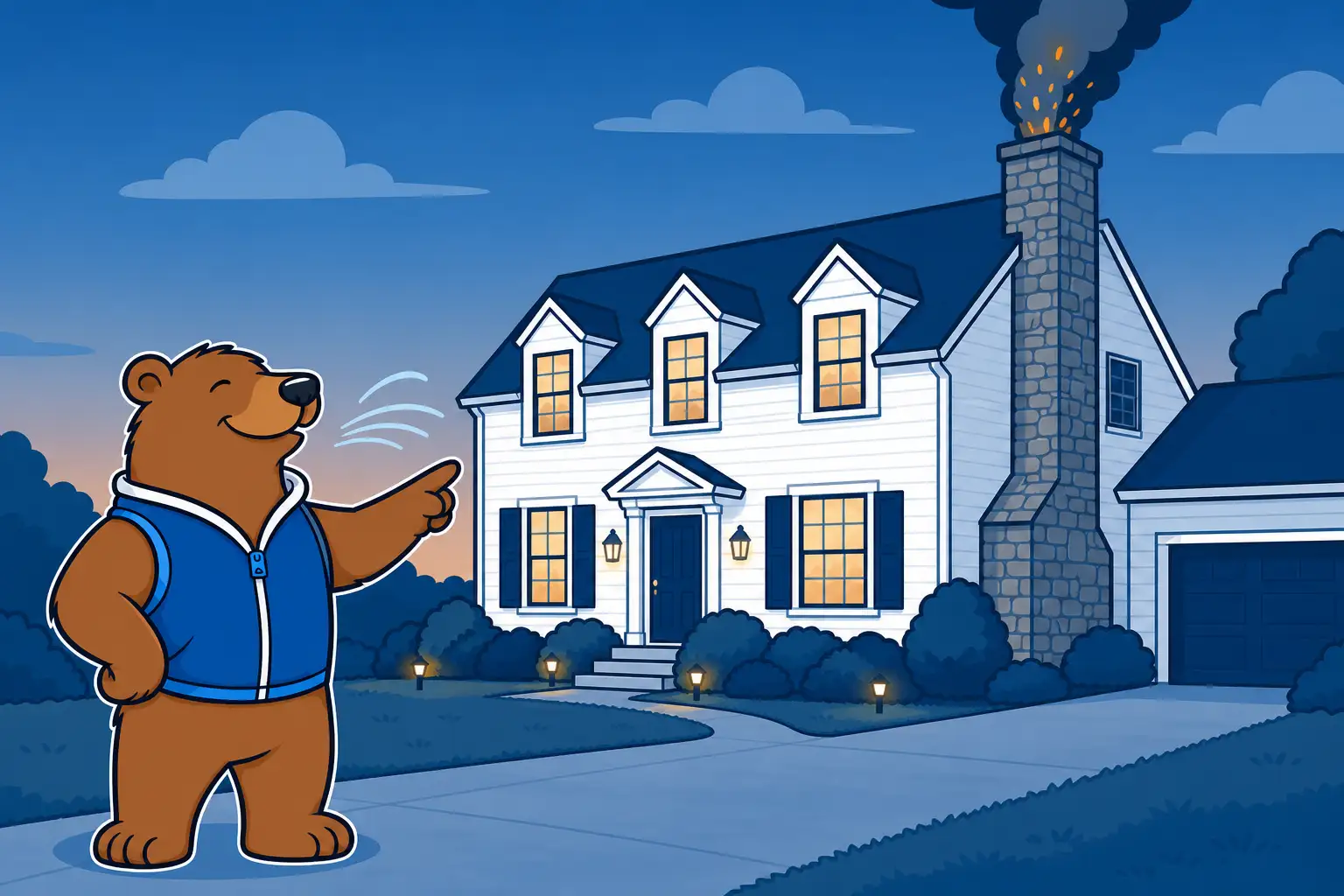
The most urgent signs of a chimney fire are a loud roaring sound, flames or sparks from the chimney top, dense smoke, strong burning odor, vibration, and unusual heat near walls or the chimney. If you notice any of these, leave the home, call 911, and do not use the fireplace again until it is inspected.
The signs of a chimney fire belong in a different category than ordinary fireplace smoke, smell, or draft trouble. If the fireplace is active and you hear roaring, see flames or sparks from the chimney, smell heavy burning, or feel unusual heat around the chimney, get everyone out and call 911. After that, do not use the fireplace again until the chimney is inspected.
If You Think Your Chimney Is on Fire, What Should You Do First?
Leave the house if there are flames, smoke backing into rooms, a rushing sound in the chimney, or heat spreading near walls, ceilings, or the chimney chase. Call 911 even if the fire seems contained inside the flue. A chimney fire can move from the liner into framing, attic areas, or damaged masonry fast.
Do not climb onto the roof. Do not remove the chimney cap. Do not keep feeding the fire to “burn it out.” If you have a wood stove or a prefabricated fireplace with air controls, close them only if you can do it without getting near smoke, flames, or intense heat.
Water is not the homeowner fix for a chimney fire. Dumping water into a hot flue can crack terra-cotta clay liner sections, damage masonry, and create steam hazards. A fire extinguisher should only be used if you are trained, the fire is small, the exit is clear, and the dispatcher or local fire department tells you it is appropriate.
Here is the simple split we use with Long Island homeowners:
- Active fire signs mean stop, leave, and call 911.
- Aftermath signs mean stop using the fireplace and schedule a chimney inspection before the next burn.
- Minor smoke smell during the first cold start of the season is not automatically a chimney fire, but it still deserves attention if it is strong, sudden, or paired with smoke backup.
What are the signs of an active chimney fire?
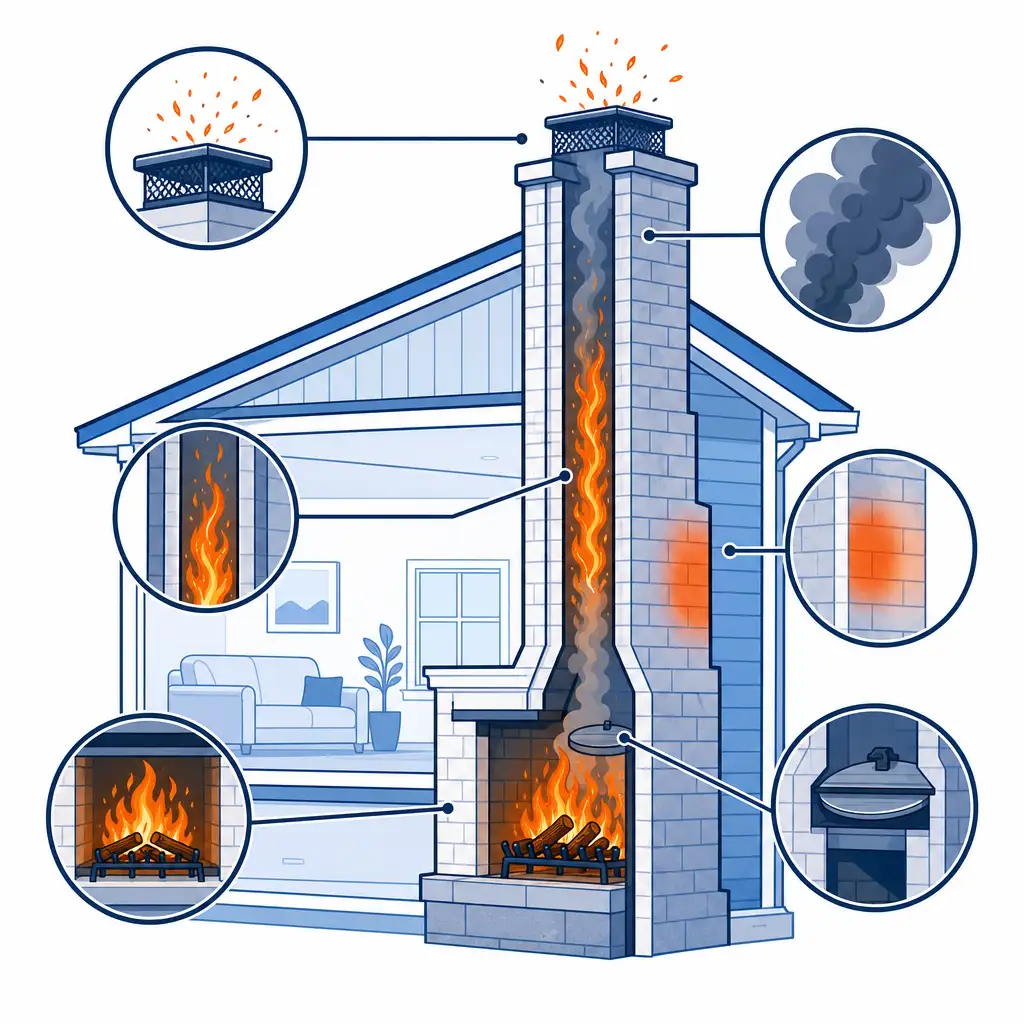
The clearest active warning signs are a loud roaring sound, flames or sparks above the chimney, dense smoke, a sharp burning odor, vibration, and heat where the chimney should stay only mildly warm. These signs point to burning creosote or debris inside the flue, not a normal wood-burning fireplace draft.
Active chimney fire symptom checklist
- Roaring or freight-train sound: You hear a deep rush from the chimney, sometimes louder than the firebox itself. It usually means air is feeding flames inside the flue. It is not a problem when you only hear a light crackle from seasoned wood in the firebox.
- Flames reaching into the flue: Flames look taller than normal and pull hard upward. That usually means the fire is extending beyond the logs and into creosote or soot deposits. It is not a problem when brief flames stay inside the normal burn area and settle quickly.
- Sparks or embers from the chimney top: Neighbors may see glowing pieces, sparks, or flame at the chimney cap or spark arrestor. That usually means burning material is moving up the flue. It is not a problem when you see a small, brief spark in the firebox while adding dry wood.
- Dense smoke inside or outside: Smoke backs into the room, pours from the chimney, or looks heavier than normal outside. That usually means the flue is restricted, overheated, or actively burning inside. It is not a problem when a short puff happens during startup and clears as the draft warms.
- Strong hot tar or burning odor: The smell is sharper than normal wood smoke and may seem oily or chemical. That often points to creosote heating or burning. It is not a problem when you smell a faint wood scent near a recently used fireplace with no smoke, noise, or heat symptoms.
- Vibration or rumbling: The chimney, stove pipe, or walls near the flue seem to shake. That usually means intense draft and combustion are happening in the chimney system. It is not a problem when a loose metal fireplace screen rattles only as logs shift.
- Unusual heat near walls, ceilings, or masonry: Brick, drywall, mantel areas, attic surfaces, or chimney chases feel hotter than they should. That can mean heat is escaping through a cracked flue liner, damaged smoke chamber, or overheated chase. It is not a problem when the front of the firebox is warm during normal use.
The sound is often what scares people first. A chimney fire can sound like wind roaring through a tunnel, a jet, or a freight train above the fireplace. From inside the home, it may also look like smoke pushing out around the damper, flames pulling upward, or ash swirling harder than usual.
If any active sign is present, do not wait to see if it calms down. We can inspect and clean after the emergency is over, but the first call belongs to emergency services.
What are the signs a chimney fire may have already happened?
Yes, a chimney fire can happen without the homeowner realizing it. Some burn hot and loud, while others stay small, run briefly, and leave damage behind. The quieter signs include puffy creosote, cracked flue tiles, warped metal parts, damaged masonry, smoke staining, and debris inside the firebox or cleanout door.
Past-fire evidence checklist
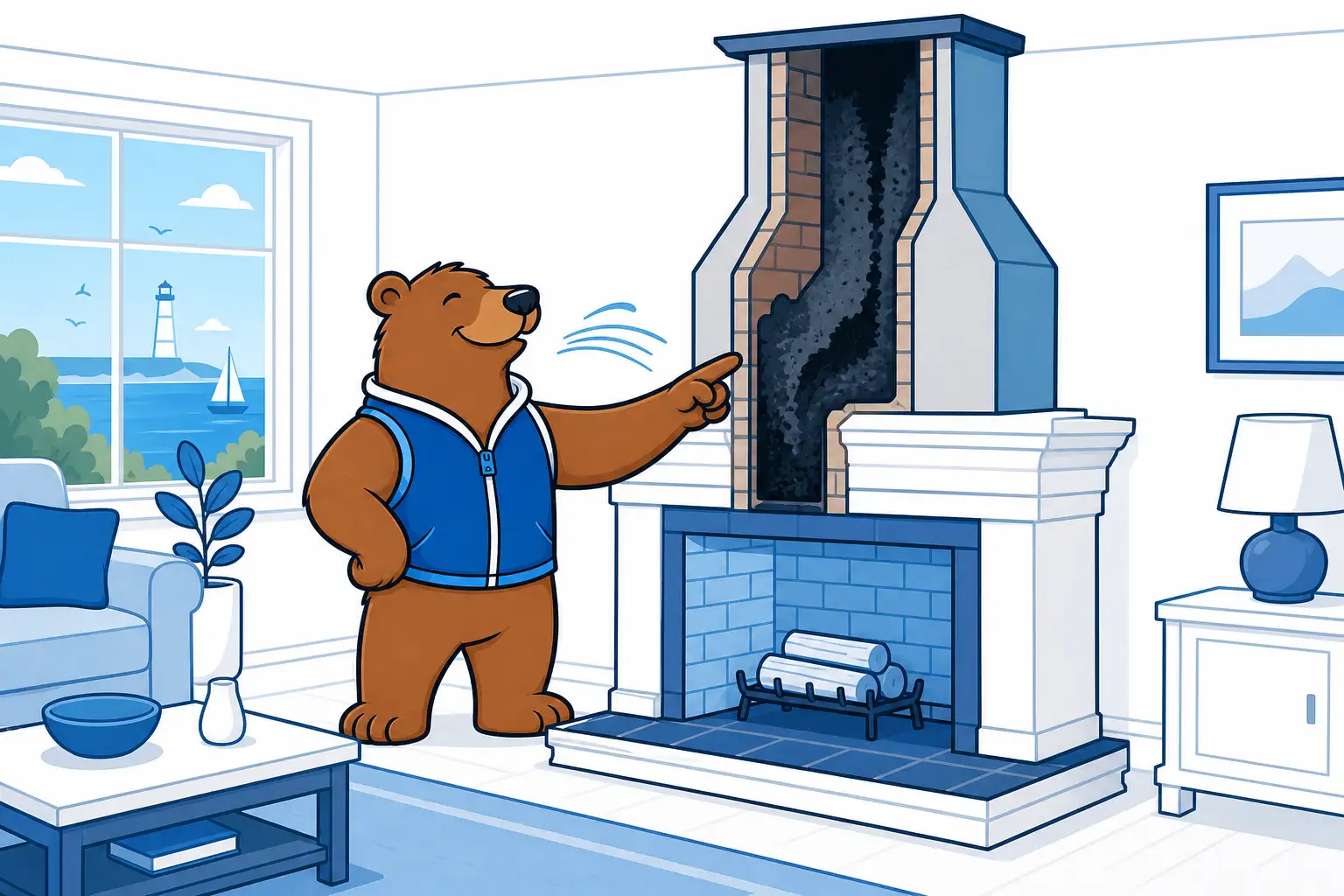
- Puffy or honeycomb creosote: Creosote looks swollen, brittle, or foamy instead of flat and shiny. That usually means it was exposed to high heat. It is not a problem when ordinary soot is light, powdery, and brushes off during a routine sweep.
- Glazed creosote: The buildup looks hard, black, shiny, or tar-like on the flue liner. It usually means incomplete burning and a higher ignition risk. It is not the same as a thin gray ash layer after one small fire.
- Warped damper or metal throat parts: The damper does not open or close cleanly, or the metal looks distorted. That often means overheating occurred near the smoke chamber. It is not a problem when a damper is just stiff from age but still sits straight and moves freely.
- Cracked terra-cotta clay liner: Pieces of tile appear in the firebox or cleanout, or a video scan shows broken liner sections. That means the flue no longer contains heat and exhaust the way it should. It is not normal seasonal wear.
- Cracked chimney crown or mortar joints: Exterior cracks, fresh gaps, or loose brick show up after heavy use or winter weather. That can let water in and let heat reach places it should not. Hairline age cracks still need watching, but they are not proof of a fire by themselves.
- Damaged chimney cap or spark arrestor: The cap looks scorched, warped, clogged, or pushed out of shape. That can mean heat, sparks, or debris hit the top of the system. It is not a fire sign when a cap is simply rusty from South Shore salt air.
- Smoke stains around the fireplace: Dark marks appear at the fireplace opening, mantel, wall, or damper area. That usually means draft failure, blockage, or smoke reversal. It is not unusual to see light discoloration in an old firebox, but fresh staining after one burn is different.
- Tile, soot, or ash chunks in the firebox: Pieces fall down after the fire is out. That can point to liner damage or heavy creosote breaking loose. It is not a concern when the debris is only normal wood ash from the grate.
If you see these signs, stop using the wood-burning fireplace, wood stove, or prefabricated fireplace until a qualified chimney pro checks it. A basic sweep does not prove the liner, smoke chamber, crown, attic clearance, and masonry are safe.
Why do Long Island chimneys deserve extra caution?
Long Island chimneys take a beating from age, weather, and mixed fuel history. Many Nassau County and Suffolk County homes have masonry chimneys with terra-cotta liners, older mortar, and past appliance changes. Salt-air corrosion, freeze-thaw damage, nor’easter wind exposure, and storm-damaged caps all make generic chimney fire advice too thin.
We see different risk patterns across the island. Older Cape homes, ranch homes, and Colonial homes often have masonry chimney systems that have been repaired in sections over many years. North Shore homes may have steep rooflines and older brickwork. South Shore homes often see more salt-air corrosion around chimney caps, chase covers, and exposed metal.
Oil-to-gas conversion flue issues also matter. A chimney that once vented an oil appliance may have liner sizing, condensation, or deterioration concerns after the equipment changed. That is not the same as a fireplace flue, but it is common in Long Island homes and it affects how we look at the full chimney system.
The Chimney Safety Institute of America explains that creosote buildup and annual inspection are central parts of chimney fire prevention in its chimney fire prevention guidance. We follow the same practical idea in the field: inspect every year, sweep when buildup is present, and do not treat a suspected chimney fire like routine soot.
For a deeper explanation of why creosote changes from powdery soot to a harder ignition source, read our guide to what creosote is and why it is dangerous.
What should a chimney pro check after a suspected fire?
After a suspected chimney fire, the inspection should check more than the visible firebox. The liner, smoke chamber, smoke shelf, damper, chimney cap, crown, mortar joints, cleanout door, attic areas, and nearby combustible clearances all matter. A Level 2 chimney inspection with a video scan is often the right next step.
A Level 1 chimney inspection is the basic annual look at readily accessible parts when the system has not changed and no damage is suspected. After a chimney fire warning sign, that is usually not enough. A Level 2 chimney inspection adds more detail and often includes video scanning the flue liner.
Our technicians look for:
- Cracked, shifted, or missing terra-cotta clay liner sections
- Damage to a stainless steel liner, if one is installed
- Puffy or glazed creosote in the flue
- Warped damper parts
- Gaps or heat damage in the smoke chamber
- Fallen tile, soot, ash, or masonry in the firebox
- Blockage at the chimney cap or spark arrestor
- Cracked chimney crown, open mortar joints, or loose brick
- Heat marks in accessible attic or chase areas
- Signs that a prefabricated fireplace has overheated outside its listed limits
Written findings matter. If homeowners insurance gets involved, keep photos of the firebox, chimney exterior, cap, visible debris, smoke stains, and any damaged walls or ceilings. Ask the local fire department for its incident report, and keep the chimney inspection report, video scan notes, and repair recommendations together.
If you need a post-event visit, our chimney inspection and cleaning service is the right place to start. For non-emergency scheduling, our 2026 scheduling review of 331 analyzed jobs showed a 4-day median time from booking to visit, with 22 same-day and 46 next-day visits completed. Urgent safety concerns still start with emergency services, not our office.
What is included in chimney cleaning after a suspected chimney fire?
A standard chimney cleaning removes brushable soot, ash, and creosote from the flue, smoke chamber area, damper area, firebox, and accessible cleanout. After a suspected chimney fire, cleaning also supports inspection by exposing liner cracks, warped parts, or heavy deposits that soot can hide. Heavy glazed creosote needs a different conversation.
A normal sweep visit usually includes setting up floor protection, controlling soot, brushing the flue, cleaning the firebox area, checking the damper movement, and removing loose debris from accessible areas. We also look at the chimney cap, crown, and visible masonry where access is safe.
What it does not include automatically is a repair, liner replacement, roof rebuild, animal removal, or guaranteed removal of severe glazed creosote in one basic pass. Glazed creosote can be hard, shiny, and bonded to the liner. If we find that condition, we explain the removal options before doing extra work.
The practical rule is simple: cleaning removes the fuel and exposes the condition. Inspection decides whether the fireplace is safe to use again. If a fire was suspected, do not accept “we swept it, you are fine” without findings on the flue liner, smoke chamber, damper, crown, cap, and masonry.
Are there hidden fees or legitimate add-ons after chimney fire damage?
We do not quote chimney pricing in this article because chimney conditions vary too much after a suspected fire. The honest way to handle cost is to define the basic visit, inspect the system, explain what changed, and get approval before added work. Legitimate add-ons come from real access, blockage, buildup, or damage conditions.
A price can change when the job is no longer a routine sweep. Examples include heavy glazed creosote, animal nests, blocked flues, unsafe roof access, damaged chimney caps, missing cleanout access, cracked liners, failing mortar joints, or repairs needed before use. Those items should be shown to you, photographed when possible, and explained before work continues.
If you want to understand normal pricing boundaries before you schedule, use our Chimney Sweep Cost Long Island price guide. It explains why a simple maintenance sweep is different from a post-fire inspection, blockage removal, or repair recommendation.
We also understand the need to talk it over at home. For non-emergency chimney work, we put findings and recommendations in writing so you can review them. Based on our completed job records since May 2026, we have booked 497 jobs and completed 206 closed jobs across our service mix, so we have built our process around clear written scopes, not surprise work at the door.
How do you lower the risk before the next fire?
You lower risk by burning dry wood, keeping the flue clear, repairing damaged parts, and inspecting the chimney every year. A chimney cap with a working spark arrestor, a sound crown, intact mortar joints, and working smoke and carbon monoxide alarms all matter. Creosote control starts with how the fireplace is used.
Use seasoned wood, not wet logs, trash, cardboard, or construction scraps. Wet wood burns cooler and sends more unburned material into the flue. Smaller hot fires are cleaner than long, smoldering fires with the damper choked down.
Keep the chimney cap in place. It helps block animals, leaves, rain, and wind-driven debris. On Long Island, storm exposure and salt air make cap condition especially important, so look for rust, loose fasteners, missing mesh, or storm damage after big weather.
Keep smoke alarms and carbon monoxide alarm equipment working on every level of the home. These devices do not replace chimney maintenance, but they give warning when smoke or combustion gases enter living space. Replace batteries and follow the device maker’s age limits.
Annual inspection is the baseline. NFPA 211 calls for yearly chimney inspection, and sweeping is done when the inspection finds buildup. That is our position too: inspect annually, sweep when the chimney needs it, and never keep using a fireplace after fire signs until the system is cleared.
If you also have a laundry area nearby or a long vent run through an older home, remember that we clean dryer exhaust systems too. The NFPA recommends cleaning the dryer exhaust vent at least once a year, and our dryer vent cleaning service removes the lint that feeds dryer fires.
When should you call a professional instead of waiting?
Call a professional after emergency crews clear the scene if you heard roaring, saw sparks from the chimney, found puffy creosote, found fallen flue tile, smelled strong burning, or noticed new smoke stains. Also call before using the fireplace again if the damper, liner, cap, crown, or masonry looks damaged.
Use this threshold:
- Call 911 now if there is active fire, heavy smoke, roaring, sparks from the chimney top, or unusual heat near walls.
- Stop using the fireplace and call us after the emergency if you suspect a chimney fire already happened.
- Schedule inspection before the next burn if you find cracked liner pieces, warped damper parts, fresh exterior cracks, heavy creosote, or smoke stains.
- Do not restart the fireplace just because the fire went out. Heat damage can remain hidden in the liner, smoke chamber, attic, or masonry.
For non-emergency chimney inspection or cleaning across Long Island, Nassau County, Suffolk County, Queens, and Brooklyn, call 631-900-2634 from 8 AM to 7 PM ET or schedule your visit online anytime.
Frequently Asked Questions
Yes. A short, hot flare inside the flue can burn creosote, crack a clay liner, or warp a damper without filling the room with flames. If you find puffy creosote, tile pieces, fresh smoke marks, or a cap that looks scorched, stop using the fireplace until the liner and smoke chamber are inspected.
Written by
MikeField Technician
Mike is a field technician at FreshBear. He cleans dryer vents, air ducts, and chimneys in Long Island homes, so the guides under his name come from the jobs he runs: what a vent line actually looks like when it comes apart, and what he finds behind the dryer. Everything published under his byline is checked against that first-hand experience.
Keep Reading
What Is Creosote and Why Is It Dangerous?
Creosote is not just soot. Learn why it forms, how Long Island weather affects chimneys, and what our cleaning visit includes.