
Post Renovation Duct Cleaning Nassau County Home Guide
The Short Answer
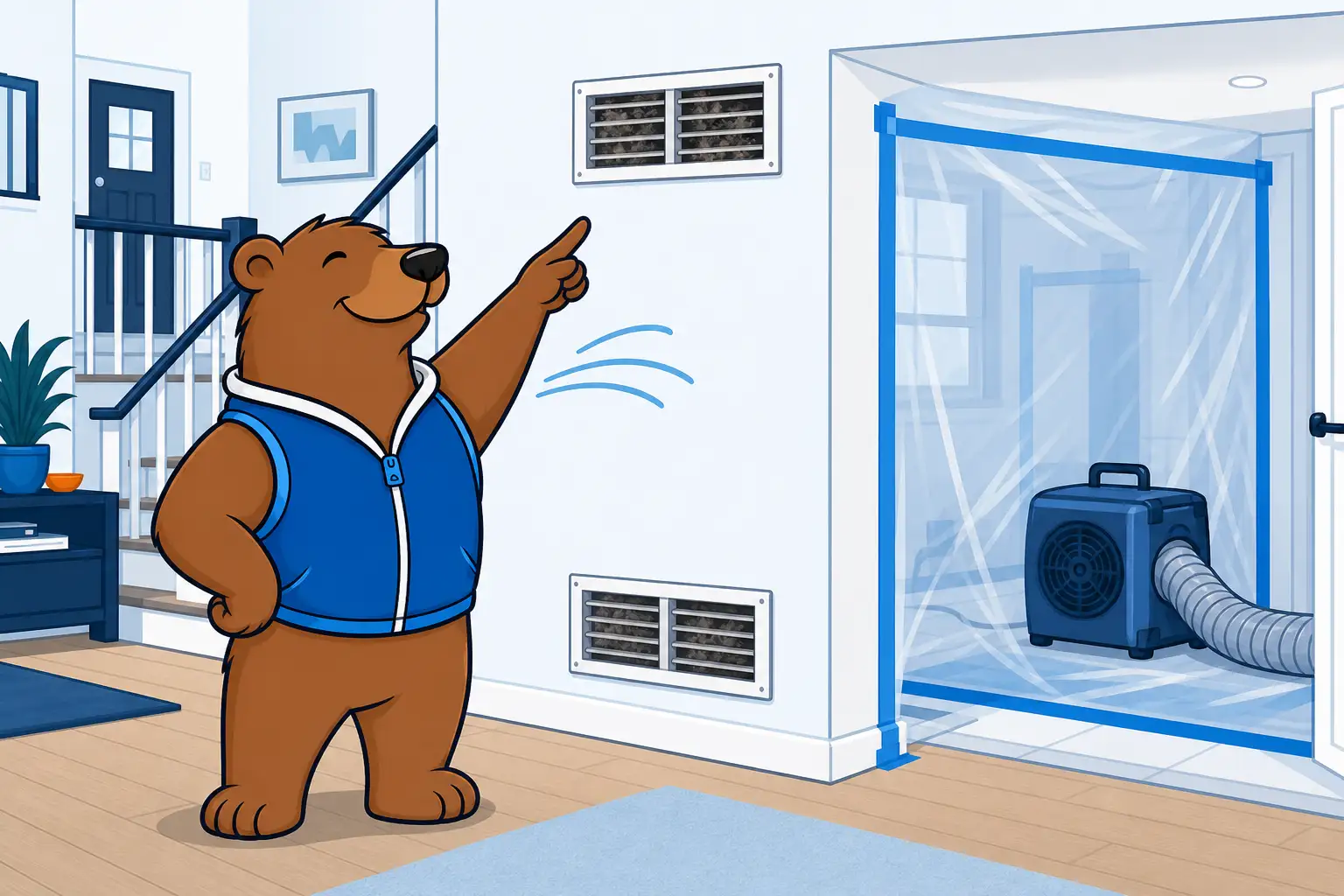
For post renovation duct cleaning in Nassau County, the best time is after dusty work and final cleanup are finished, and before heavy HVAC use. It is not needed after every renovation. We recommend it when drywall dust, plaster dust, sawdust, floor sanding dust, or construction debris has entered supply registers, return grilles, ducts, or the air handler.
For post renovation duct cleaning Nassau County homeowners should wait until dusty work is finished, the contractor cleanup is done, and the HVAC is ready for normal use again. It is not automatic after every project. We inspect first, then recommend cleaning when drywall dust, plaster dust, sawdust, floor sanding dust, or construction debris has reached the supply registers, return grilles, main trunk lines, or air handler.
Do You Need Duct Cleaning After a Nassau County Renovation?
You do not need duct cleaning after every renovation. You need it when the work created fine dust, the HVAC ran during construction, vents were left uncovered, returns pulled debris into the system, or you see dust coming from registers after cleanup. The EPA also supports a condition-based approach to duct cleaning, not a fixed calendar schedule.
That matters in Nassau County because many homes have been changed many times. We see Levitt-style slab homes in Levittown, Cape Cod homes with dormers, split-level homes, colonials, finished basements, and attic air handlers that were added long after the original build. Renovation dust travels differently in each layout.
A small bathroom tile job with the door sealed, vents taped, and HVAC off is a lower-risk project. A whole first-floor remodel with drywall sanding, open returns, and the system running is a different story.
Our honest rule is simple: inspect first, clean when the inspection shows dust or debris inside the duct system. You can review our regular air duct cleaning service if you want the service overview before deciding.
Which Renovation Projects Put the Most Dust in Ductwork?
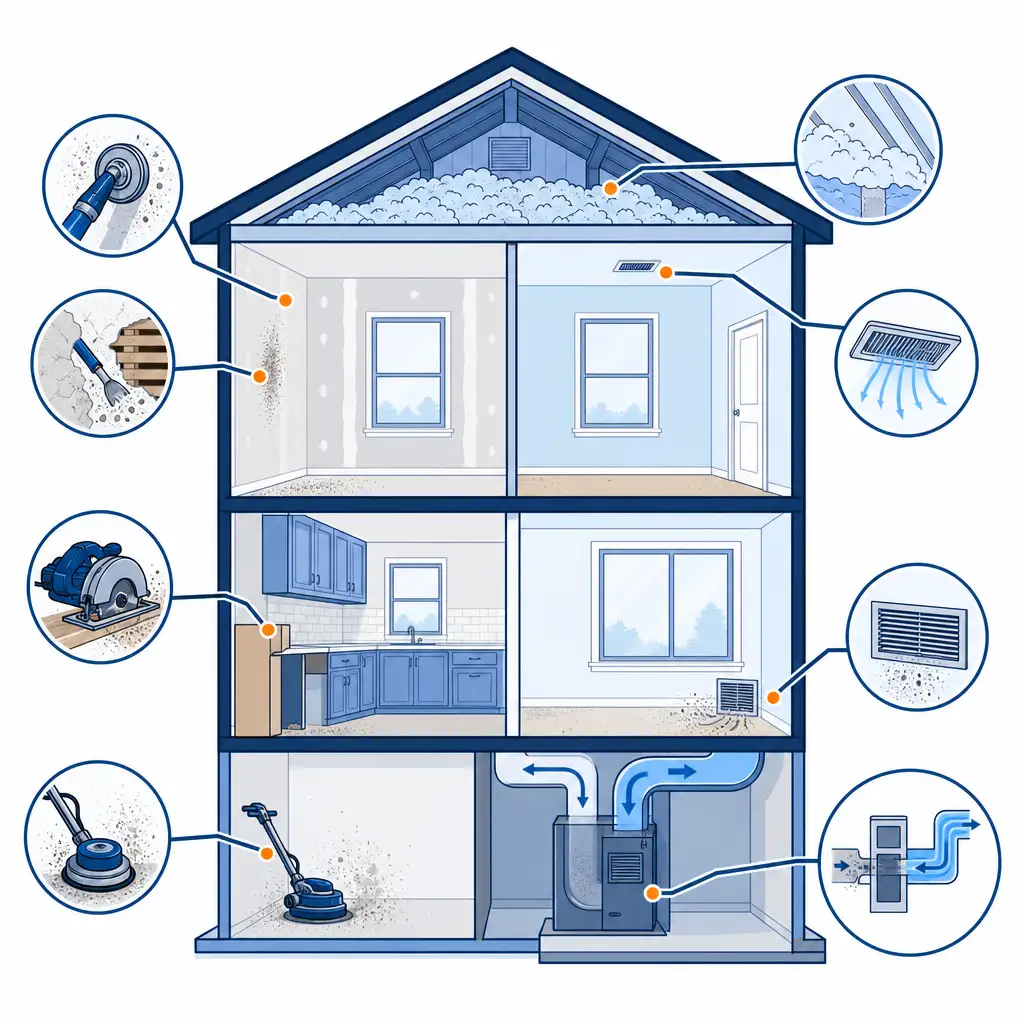
The highest-risk projects are the ones that create fine airborne dust or open hidden building cavities. Drywall sanding, plaster removal, floor refinishing, cabinet cutting, attic insulation work, and basement finishing send light dust into the air. If supply registers or return grilles are open during that work, the duct system collects it.
Watch these renovation types closely:
- Drywall installation and sanding. Drywall dust is very fine and settles inside branch ducts, return chases, and filter racks.
- Old plaster removal. Plaster dust is heavier, but demolition movement pushes it into nearby returns.
- Floor sanding and refinishing. Floor sanding dust spreads through open rooms and lower wall returns.
- Kitchen cabinet cutting. Sawdust and MDF dust collect around toe-kick vents and nearby returns.
- Attic insulation work. Loose insulation and dust affect attic air handlers, flex duct, and ceiling registers.
- Finished basement work. Cutting, sanding, and framing around low returns pulls debris into basement duct runs.
Lower-risk projects include painting, appliance swaps, countertop installs with good dust control, and small repairs where vents stayed sealed and the HVAC stayed off.
Ask your contractor how dust was controlled. Good answers include sealed work zones, covered registers, temporary air scrubbers, filter changes, and no HVAC use during sanding. Weak answers include “we swept up after,” because sweeping alone does not remove dust already pulled into returns.
When Should You Book: Before, During, or After Final Cleanup?
The best time to schedule is after dusty work is fully complete, after final contractor cleanup, and before heavy HVAC use or move-in if possible. Cleaning too early wastes money because new drywall dust, plaster dust, or sawdust keeps entering the system. Booking too late means the vents keep pushing settled renovation dust back into the rooms.
Use this timing guide:
| Renovation stage | What to do | Why it matters |
|---|---|---|
| Before work starts | Ask the contractor to cover supply registers and return grilles | This keeps dust out before it starts moving |
| During sanding or demolition | Keep HVAC off when safe and practical | Running the air handler pulls dust through returns |
| Final punch list | Do not clean ducts yet if cutting or sanding is still active | New dust will re-contaminate the system |
| After final contractor cleanup | Book the duct inspection and cleaning if signs point to contamination | This is the cleanest, most efficient timing |
| Before furniture returns | Clean if the ducts need it | Crews get better access to vents and returns |
Most visits are booked about 4 to 5 days out, and our completed-jobs snapshot shows an average booking lead time of 5.6 days. We have also completed 25 same-day and 57 next-day visits based on our completed jobs, so tighter renovation deadlines are sometimes workable. The 8:00 AM arrival window is the most common, and arrival windows are 3 hours.
If you have a move-in date in Garden City, Great Neck, Mineola, Rockville Centre, Long Beach, Massapequa, Hicksville, Manhasset, or Port Washington, try to schedule once your contractor confirms sanding and cutting are finished.
How Should You Prepare Before We Arrive?
Preparation is partly DIY and partly professional. Homeowners and contractors can safely reduce dust entry by sealing vents, replacing filters, and stopping dusty work before the appointment. The actual duct cleaning, especially main trunk lines, blower compartment access, and attic or crawlspace air handlers, should be handled by trained technicians with the right equipment.
Step-by-step preparation checklist
- Ask your contractor to finish dusty work first. This is safe DIY coordination. Do not schedule duct cleaning while drywall sanding, plaster demo, cabinet cutting, or floor sanding is still active.
- Have the contractor complete the final cleanup. This is safe DIY coordination. Vacuum floors, wipe surfaces, and remove loose construction debris from rooms before we arrive.
- Check that supply registers and return grilles are accessible. This is safe DIY. Move boxes, plastic sheeting, drop cloths, and tools away from vents.
- Replace the HVAC filter after construction dust settles. This is usually safe DIY if your filter rack is easy to reach. Use the correct size and a MERV filter your system can handle.
- Take photos of problem areas. This is safe DIY. Send pictures of heavy dust around returns, attic access, crawlspaces, finished basement vents, or damaged duct sections.
- Do not open sealed ductwork yourself. This needs a professional. Cutting access panels or disturbing duct board, flex duct, or old sheet-metal ductwork can create damage.
- Do not disturb suspected asbestos or old insulation. This needs a licensed asbestos professional. If the home has suspect material, pause duct cleaning until it is assessed.
- Let our technicians inspect the system. This is the professional step. We check vents, returns, trunk access, air handler location, and visible debris before confirming the scope.
This preparation also helps us give a cleaner quote. Vent count, number of HVAC zones, access to the air handler, and the level of debris all affect the work.
What Should Be Included in a Post-Renovation Duct Cleaning?
A post-renovation visit should focus on removing construction dust and debris from the actual air path. That includes supply registers, return grilles, accessible branch ducts, main trunk lines, and the air handler area when included in the confirmed scope. We use professional negative air, agitation, and vacuum tools to pull debris out instead of pushing it room to room.
A proper cleaning may include:
- Register and grille removal where accessible
- Drop cloths to protect finished floors and new surfaces
- HEPA vacuuming around vent openings
- Negative air machine setup to pull debris toward collection
- Rotary brush or compressed-air whip agitation where appropriate
- Cleaning accessible branch ducts and main trunk lines
- Inspecting the filter rack and visible air handler area
- Reviewing the blower compartment and evaporator coil access when requested or needed
Post-renovation cleaning is different from a standard maintenance visit because the dust source is recent, specific, and often heavier near certain rooms. We focus on the renovation path, not just routine household dust.
Some items are not automatically part of every basic duct special. Sanitizer, coil cleaning, heavy debris removal, damaged duct repair, mold remediation, dryer vent cleaning, and additional HVAC zones may be separate. If you want the deeper step-by-step breakdown, read our professional duct cleaning process guide.
The EPA’s air duct cleaning guidance says duct cleaning should be considered for conditions like substantial visible debris, pests, or mold, instead of a fixed schedule. That matches how we approach renovation jobs.
What Do Specials, Written Quotes, and Extra Charges Cover?
Advertised specials cover the entry-level scope stated in the offer, not every possible condition inside every renovated home. Our $97 whole-home air duct basic cleaning is the promo anchor. Most completed whole-home air duct jobs land between roughly $195 and $650, with a median around $400, based on completed FreshBear and AirPros NY jobs from July 2026, n=135.
Our newer completed air-duct job snapshot shows a median of $295 and a middle half of $100 to $590, based on 32 completed air-duct jobs. Bigger homes, heavy buildup, extra HVAC zones, hard access, and add-ons push totals higher.
Common items that can change the price include:
- Extra vents beyond the included count
- Multiple HVAC zones or second systems
- Attic air handlers, crawlspaces, or tight mechanical closets
- Heavy construction debris in branch ducts or main trunks
- Sanitizer if requested and appropriate
- Coil cleaning or blower compartment cleaning beyond the base scope
- Damaged ductwork, disconnected flex duct, or crushed duct board
- Parking or access problems in dense areas
We do not like surprise charges. Our technicians confirm the scope before charging more. You can ask for a written quote to review with a spouse, contractor, landlord, or family member before approving the work.
For a deeper local price breakdown, use our Nassau County air duct cleaning cost guide. You can also check our current specials before booking.
How Do Nassau County Home Layouts Change the Job?
Nassau County layouts affect access, time, equipment setup, and price. Levitt-style slab homes, Cape Cod homes, split-level homes, colonials, finished basements, crawlspaces, attic air handlers, and older duct retrofits all change how we reach supply runs, return paths, main trunk lines, and air handler components.
In the Town of Hempstead, we often see postwar ranches, capes, and homes with additions. In the Town of North Hempstead, older homes in Great Neck, Manhasset, and Port Washington may have tighter mechanical access or mixed duct materials. In the Town of Oyster Bay, homes in Hicksville, Massapequa, and surrounding areas often have finished basements, multiple zones, or retrofitted attic systems.
Here is what changes the job most:
- Slab construction. Levitt-style slab homes may have limited basement access, so ducts can run through ceilings, chases, or additions.
- Finished basements. Finished ceilings hide main trunk lines and reduce access panel options.
- Attic air handlers. Tight attics make setup slower and require safe access.
- Multiple HVAC zones. Each zone has its own vent count, return path, and sometimes separate air handler.
- Older retrofits. Renovations over decades often leave patched sheet-metal ductwork, flex duct, or duct board sections.
- Coastal moisture. South Shore homes, including Long Beach and nearby areas, need extra attention after water intrusion or past flooding.
New York State Mechanical Code issues, damaged ductwork, missing access panels, or unsafe attic access are not solved by cleaning alone. If we see something that needs repair or code review, we tell you plainly.
How Do You Book Without Surprises?
You can book by phone or online, and the best booking includes photos, vent count, renovation details, HVAC zone count, and your deadline. Call 631-900-2634 from 8 AM to 7 PM ET if you want to talk it through. You can also book an appointment online 24/7.
To help us quote accurately, provide:
- Town or village in Nassau County
- Home style, such as split-level, cape, colonial, slab ranch, or finished basement
- Number of HVAC systems or zones
- Approximate supply register and return grille count
- Location of the air handler, such as basement, attic, closet, or crawlspace
- Type of renovation and whether the HVAC ran during construction
- Whether vents were covered
- Photos of dusty returns, attic units, crawlspaces, or hard-to-reach equipment
- Move-in date, furniture delivery date, or final contractor cleanup date
If you are coordinating with a contractor, ask them to finish sanding, remove tools, complete the final contractor cleanup, install the correct filter, and clear access before our appointment.
If you are moving into a renovated home, our guide to duct cleaning before moving in covers timing around furniture, painters, and final walkthroughs.
When Should You Pause or Choose a Different Next Step?
Pause duct cleaning when construction dust is still being created, water damage is active, suspected asbestos is present, visible mold needs assessment, ducts are damaged, or filters are missing. Cleaning works best when the source is controlled first. If the system keeps pulling new dust, moisture, or debris, cleaning is not the first fix.
Pause and ask more questions if you see:
- Active sanding, cutting, or demolition still on the renovation punch list
- Open returns with no filter protection
- Wet duct board, damp insulation, or signs of storm flooding
- Musty odor with visible growth inside ducts or on registers
- Disconnected flex duct or crushed duct runs
- Old pipe insulation or suspect materials that may contain asbestos
- A contractor asking us to clean before the job site is actually clean
For health-related outcomes, we stay careful. Duct cleaning removes built-up dust and debris from the duct system, so your vents stop feeding that material back into rooms. We do not promise allergy relief, asthma improvement, or illness prevention.
If you are mainly trying to understand what duct cleaning physically does, read our guide to air duct cleaning benefits. If visible growth is your concern, review the signs of mold in air ducts and get the right assessment before approving any cleaning.
For many post renovation duct cleaning Nassau County calls, the best answer is not “yes” or “no.” The best answer is a short inspection, a clear scope, and a written price before work begins.
Frequently Asked Questions
Most visits are booked about 4 to 5 days out, and our completed jobs show an average lead time of 5.6 days. Same-day and next-day visits are often available, especially if your final cleanup date changes. If furniture is coming back or you have a move-in deadline, call as soon as the dusty work is done.
Written by
FreshBear Field TeamField Technicians
The FreshBear field team handles air duct, dryer vent, and chimney cleaning across Long Island, Queens, and Brooklyn. Every guide is based on what our technicians actually see in local homes, reviewed for accuracy before publishing.
Keep Reading

Duct Cleaning Before Moving In Long Island Homes: Should You?
Moving into a Long Island home? Here is when duct cleaning is worth doing before furniture arrives, when it can wait, and how to book it without surprises.
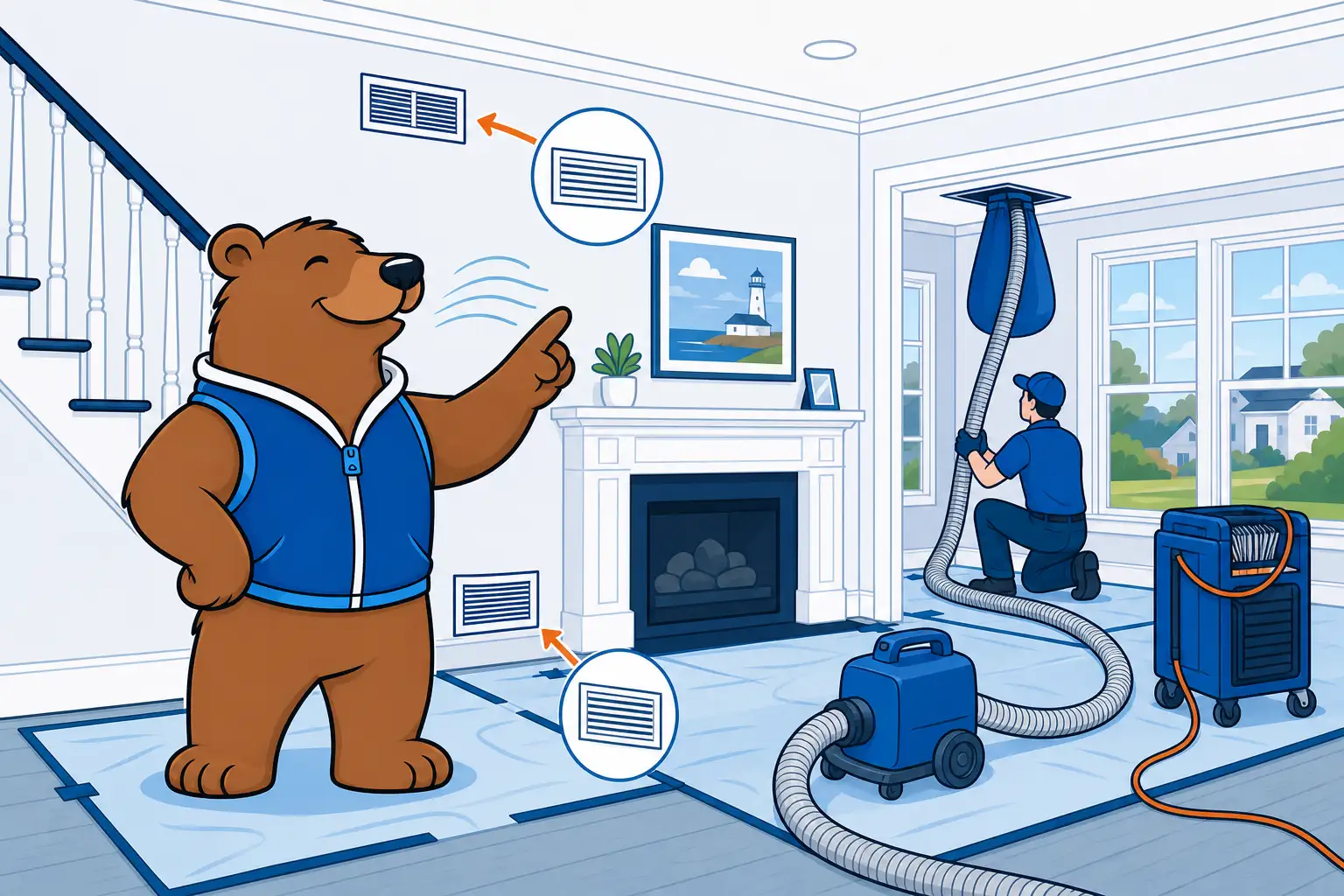
Professional Duct Cleaning Process Long Island: What Happens?
A no-surprises walkthrough of what happens during professional duct cleaning in Long Island homes, from booking and written quotes to equipment, cleanup, and verification.
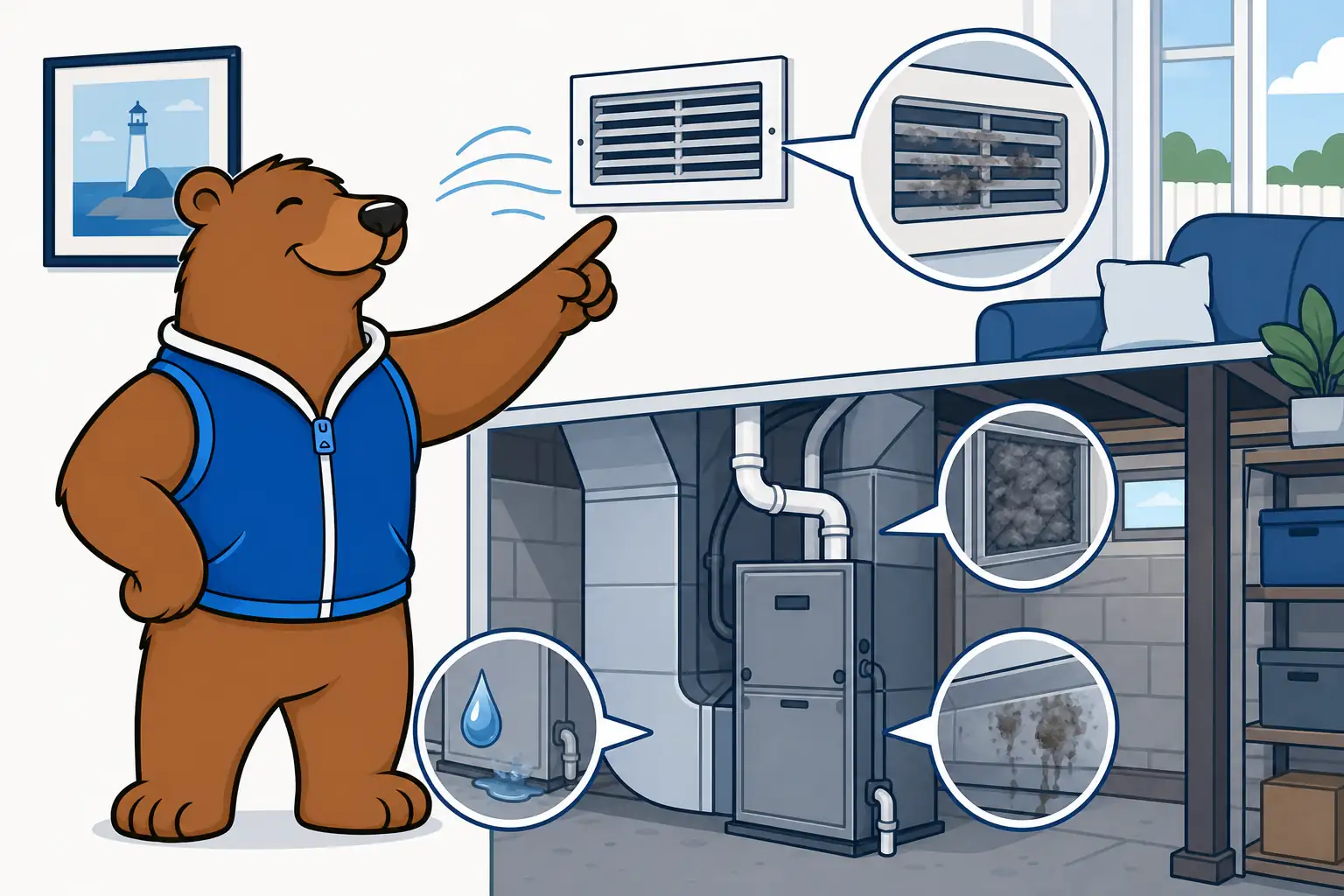
Signs of Mold in Air Ducts Suffolk County Homeowners Should Know
Musty vents do not always mean mold. Learn the real duct mold signs Suffolk County homeowners should check, common false alarms, and when to call a pro.